A journalist visa for Bangladesh (the J visa) is required for foreign reporters, crews and freelancers on assignment. Apply through a Bangladesh mission with FF-1 and FF-2 forms, letters and a shooting plan, and allow two weeks to a month.
Anyone reading up on the journalist visa Bangladesh rules usually has a story date pencilled in already. Then the second mission website says something slightly different from the first, and a fixer’s blog adds a third version. Requirements really do vary by mission, and some third-party guides repeat details no official page supports.
The sections below set out what most missions ask for and where official pages disagree. They also cover the permissions the visa does not include. Nothing here replaces your own mission’s checklist, so confirm every point there before you book.
What Is the Journalist (J) Visa and Who Needs It?
The J visa is the category Bangladesh missions issue to foreign media workers who come to report, interview or film. Mission pages define the group broadly, and freelance journalists are named alongside staff of print, broadcast, agency and online media. The visa is meant for people coming to collect news or carry out official media duties, whether for a day of interviews or a month of filming.
In practice, the test is what you will do, not what your business card says. Producers, camera operators, commissioned photographers and documentary teams all fall inside the category if the output is journalism.
A tourist visa covers tourism, family visits, seminars and study tours. It is the wrong document for an assignment.
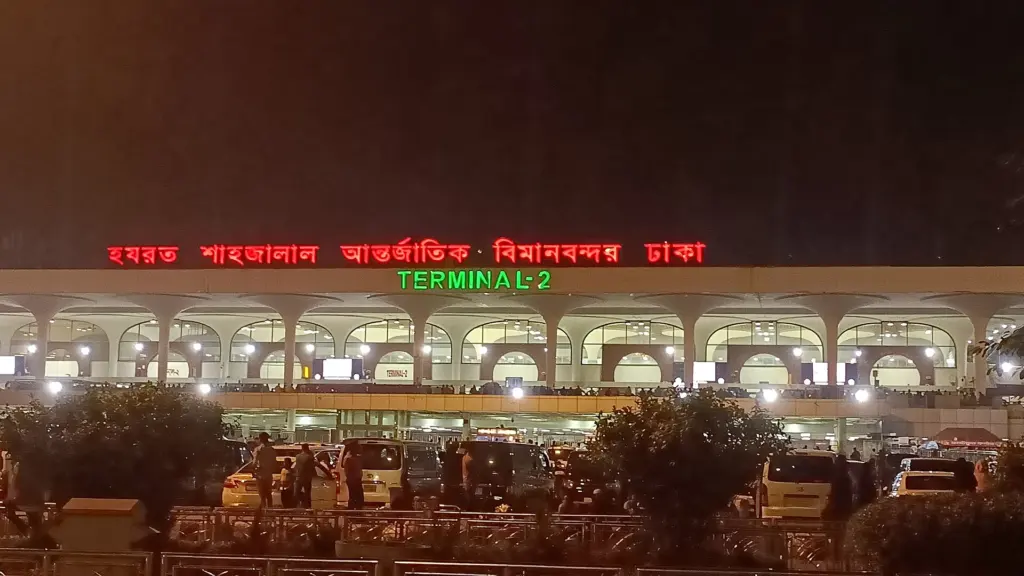
Visa on arrival is no shortcut either. The published eligibility lists name groups such as investors, business visitors and tourists, but not journalists. Plan to hold the J visa before you fly.
Journalist Visa Bangladesh Document Checklist
The core file is similar across missions, with local additions. The table reflects the lists on the Bangladesh High Commission in London’s journalist visa page and other mission pages; your own mission may ask for more.
| Document | What it does | Notes |
|---|---|---|
| Online visa application (visa.gov.bd) | The main application | Printed after online submission; handwritten forms are refused at some missions |
| Forms FF-1 and FF-2 | Media-specific application | Signed; required for filming, recording or interviews |
| Equipment list | Declares cameras, sound and other kit | Signed; keep a copy for customs |
| Invitation letter | Shows a Bangladeshi host or contact | From an organisation in Bangladesh |
| Employer or assignment letter | Confirms who you work for and why you travel | Freelancers use a commissioning outlet |
| Shooting declaration | Storyline, locations and draft schedule | Read by officials in Dhaka |
| Press card | Proves media status | Listed by some missions, such as Moscow and New York |
| Passport and photos | Standard visa items | At least six months’ validity and blank pages |
Forms FF-1 and FF-2
FF-1 and FF-2 are the media-specific forms, filed on top of the standard online application. Anyone filming, recording or interviewing for media should expect to complete them. Some fixer guides call FF-2 the equipment declaration, but several missions list the equipment schedule as a separate signed sheet. Submit whatever your own mission’s page names.
Fill the forms in plain, specific language. Officials in Dhaka read them alongside your shooting declaration, so a vague line such as “general reporting, various locations” invites questions instead of a stamp.
Invitation and Assignment Letters
Two letters carry most of the weight. The invitation comes from an organisation in Bangladesh. The assignment letter comes from the outlet that employs or commissions you, and it should state your role, passport number, purpose and dates. Both letters should describe the same trip in the same words as your shooting declaration.
Freelancers find the assignment letter hardest, because no staff desk signs it and a general note from a past client carries little weight. A commissioning editor’s letter on outlet letterhead is the strongest version. Some missions add steps of their own; New Delhi, for example, lists a recommendation from its press minister.
Shooting Plan and Equipment List
The shooting declaration sets out your storyline, filming locations and a draft schedule. Write it as if someone will compare it with your movements later, because they may.
Equipment lists work best with serial numbers and quantities. The same list helps at the airport if customs asks about professional kit. Keep printed copies of everything; a phone with a flat battery has never once impressed an immigration officer.
How Long Does a Bangladesh Journalist Visa Take?
Expect two weeks at the very least, and closer to a month at some missions. Journalist applications often need clearance from a ministry in Dhaka before the mission can issue.
| Mission | Published processing guidance |
|---|---|
| Brussels | Minimum two weeks for this category |
| Kuala Lumpur | Minimum two to three weeks |
| Canberra | About one month for journalists |
| Washington and Los Angeles | Possible delay while Dhaka gives clearance |
| Bandar Seri Begawan | Depends on clearance from Dhaka |
Sensitive subjects, unusual locations or a thin shooting plan can all stretch the wait. So desks that file often from Bangladesh build in a buffer of several weeks, rather than working back from the published minimum.
Breaking news is the hard case. Contact the mission directly, explain the deadline and ask what it can do. Do not assume a tourist visa will fill the gap.
Is the Visa Valid for One Month or Three?
Most official mission pages say a journalist visa is issued for a maximum of one month. Some third-party visa sites state three months, without citing an official source.
Sources also differ on detail.
| Source | What it says on validity |
|---|---|
| Washington and Los Angeles missions | Maximum one month; single, double or multiple entry |
| London High Commission | Maximum one month, counted from the date of issue |
| New York consulate | Validity as decided by the visa officer |
| Some third-party visa guides | Up to three months (no official source given) |
The London High Commission adds a point that catches people out. Validity runs from the date of issue, not your travel date. Collect early and fly late, and part of your month is gone.
Longer stays are arranged in Dhaka, not abroad. According to the London mission, the Department of Immigration and Passports can extend a journalist visa for up to three years. Expect it to ask for supporting letters and other government clearances, so start well before your visa runs out.
Because the sources conflict, confirm the validity your mission will give before you fix your dates.
Applying Step by Step, From Online Form to Collection
Most missions handle a journalist application in roughly this order, though the middle steps vary.
- Confirm the current checklist, fee and submission method on your mission’s own website.
- Secure the invitation letter and the assignment letter first, because they take longest.
- Draft the shooting declaration and equipment list, with locations named as precisely as you can.
- Complete the online application at visa.gov.bd and print the PDF copy it generates.
- Fill in and sign the FF-1 and FF-2 forms.
- Submit the full set to the mission and pay the fee in the way it specifies.
- Answer any request for an interview or extra documents quickly.
- Collect the passport and check the visa category, entries and dates before you leave the counter.
Fees are set by reciprocity with your nationality, according to the London mission. Ask your own mission for the current figure.
Do Visiting Reporters Need PID Accreditation?
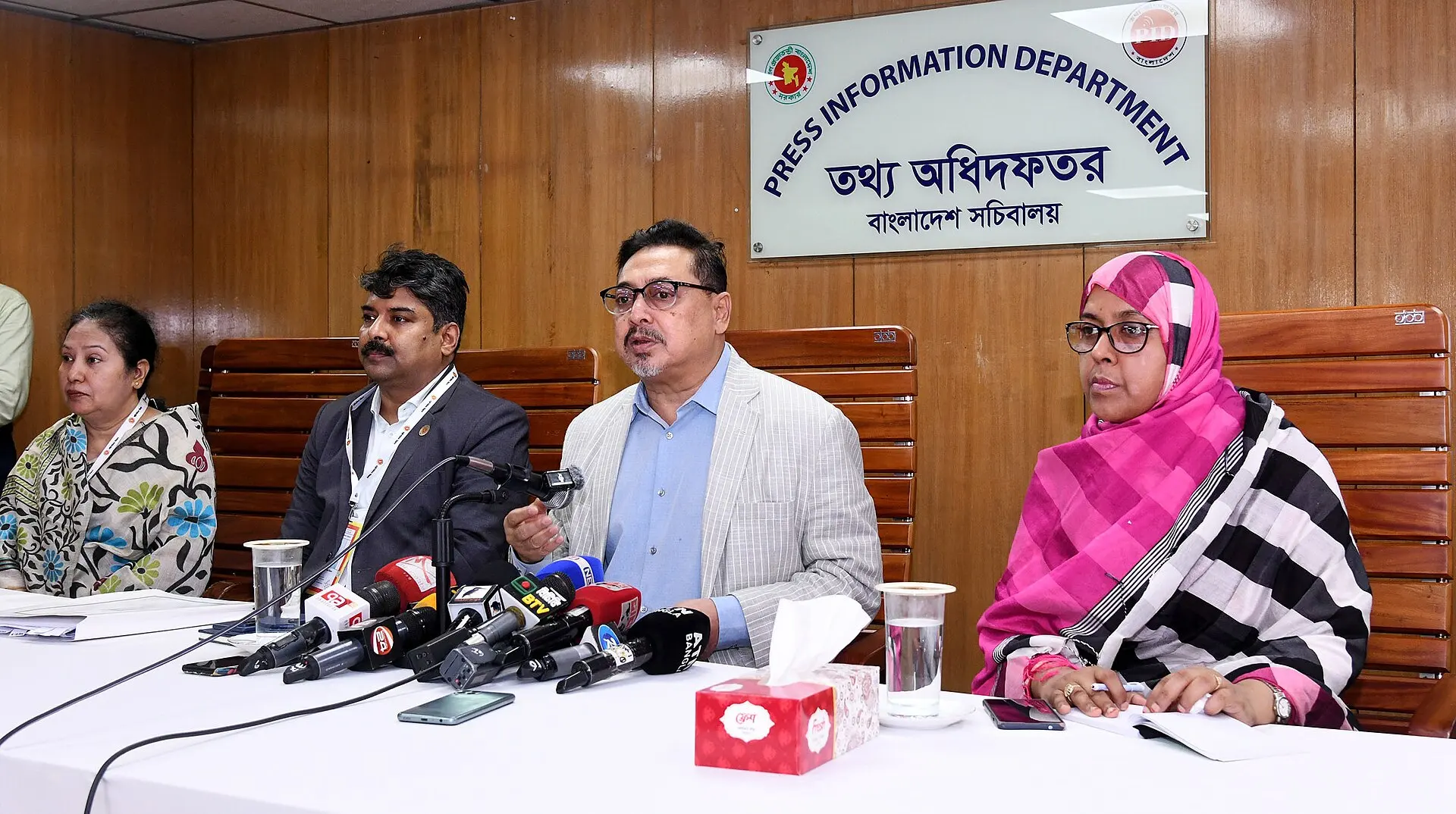
Usually not, and a short-stay visitor generally cannot get it anyway. Press cards in Bangladesh are issued under the Press Accreditation Policy 2025, through a committee chaired by the chief information officer of the Press Information Department (PID).
Reporting on the policy describes it as covering Bangladeshi journalists at national and international outlets. It even defines a “stringer” as a Bangladeshi representative of a foreign outlet. The card lasts three years, which suggests it was designed for resident press rather than for a reporter passing through on a one-month visa.
Some visa guides tell reporters to obtain a “PI clearance” from the Information Ministry first. No mission page found during research for this guide lists such a document.
What you may need instead is access to specific events or government buildings. If your story depends on it, ask the organiser, the PID and your mission early.
Location Permits the Visa Does Not Cover
The J visa lets you enter Bangladesh as a journalist, but it does not open every gate. Several places foreign media most often want to film need separate permission.
| Place or activity | Who controls access | What to expect |
|---|---|---|
| Rohingya camps, Cox’s Bazar | Refugee Relief and Repatriation Commissioner (RRRC) | Access pass for all foreigners, usually for a few days |
| Chittagong Hill Tracts | Home Ministry and district authorities | Prior permission for foreigners; strong travel warnings |
| Ministries, airports, ports, cantonments | The institution, security agencies | Written permission per site |
| Drone filming | CAAB, plus site and security authorities | Separate approval from the visa |
Rohingya Camps in Cox’s Bazar
Every foreign national needs an access pass for the camps, whatever visa they hold. Passes are issued in Cox’s Bazar by the office of the Refugee Relief and Repatriation Commissioner. Requirements have included a host organisation’s letter, passport and visa copies, photos and a short statement of purpose. Passes usually cover a few days.
Ask the RRRC for the current rules for journalists before you travel.
Chittagong Hill Tracts
Foreigners have long needed Home Ministry permission to visit Rangamati, Khagrachhari and Bandarban. Older reports put the lead time at around a month, but no official page confirmed the current rule for journalists. Travel advice is also stark: the US State Department has long told its citizens not to travel to the Hill Tracts.
Government Sites and Filming Permits
Ministries, airports, ports and military areas each give their own written permission. Fixer guides also describe an Information Ministry filming permit, though they disagree on which body handles which project. Settle that before filming, not on location with a guard waiting.
Can You Fly a Drone for a Story in Bangladesh?
Only with separate approval, and many crews decide it is not worth the effort. Drones fall under the Drone Registration and Flight Policy 2020 and the CAAB’s air navigation order on drones, which sort operations by risk and airspace.
Airports, cantonments and key point installations sit in restricted red zones. Over a key point installation, the site’s own authority must agree as well.
Rules can tighten at short notice, especially around elections and state events. Ask CAAB what applies on your dates and budget weeks for approval. Many crews hire a locally registered operator instead.
What Happens If You Report on a Tourist Visa?
Reporting on a tourist visa means working outside your visa’s purpose, which Bangladesh can treat as a breach. Outcomes range from questioning and seized material to removal and future visa refusals.
The reporter is often not the person most exposed. Local fixers, drivers, interpreters and sources stay behind after you leave. A declared plan on a J visa protects them as well as you.
Cases differ, and nothing here predicts how an officer will react. Still, assume a tourist visa gives no protection for journalism, however small the story.
Where Journalist Visa Applications Go Wrong
Many delays trace back to preparation rather than to the story. The same few mistakes come up again and again.
| Mistake | Why it hurts | Fix |
|---|---|---|
| Applying two weeks before the shoot | Dhaka clearance can outrun the minimum | Allow a month or more where you can |
| Vague shooting plan | Officials cannot clear what they cannot picture | Name locations, dates and interviewees by type |
| Assignment letter from the wrong person | Freelancers’ letters are read closely | Get a named editor’s letter on letterhead |
| Collecting the visa too early | Validity starts at issue | Time collection to your travel date |
| Itinerary drifts from the plan | Unlisted locations raise questions on the ground | Inform your host and update permissions |
Plans change mid-trip, which is normal in news. Trouble starts when a crew in Sylhet holds a declaration that only mentions Dhaka. If the story moves, tell your host organisation and check whether any new permission is needed before the camera comes out.
Legal and Safety Risks for Foreign Reporters
Bangladesh remains a demanding place to report. In September 2026, CPJ warned about a draft cybercrime amendment that could bring jail terms of up to 10 years for reporting judged “unverified”. Laws like that bite hardest on local colleagues, who often share bylines and footage with visiting reporters. How you protect sources’ identities matters more in that climate.
Press freedom groups track these cases closely. Read their latest Bangladesh updates in the week you travel.
For anything with legal or physical risk, take professional advice before you travel. Talk to your outlet’s legal and security team and a press freedom group, and read your government’s travel advice. Your mission remains the authority on visa rules, and a short email to its consular section costs nothing.
Do You Need the J Visa for Your Trip?
If you will gather or produce journalism in Bangladesh, the answer is almost always yes.
You need the J visa if you will:
- Interview people for publication or broadcast
- Film, photograph or record audio for a media outlet, including on commission
- Visit as a freelancer pitching or producing a story
- Produce a documentary, even a self-funded one
You may need a different category if you are:
- Attending a conference or training as a participant, not covering it
- Working long term for an organisation based in Bangladesh
- Visiting for purely personal reasons with no reporting planned
Grey areas exist, and a training trip can turn into a story overnight. For example, in May 2026 Md Monowar Hossain of Dhaka Interpreters interpreted for Canadian investigative journalist Julian Sher at a training for reporters from Prothom Alo and Samakal in Dhaka. If your trip mixes roles, describe them all to the mission and let it decide.
Practical support matters once the visa is sorted. A local fixer and interpreter for journalists can help with invitations, access and Bangla interviews. For live or recorded TV, broadcast interpreting is the closer fit.
Frequently Asked Questions
Can Freelance Journalists Get a Bangladesh Journalist Visa?
Yes, freelancers are named as eligible on several mission pages. The difficulty is paperwork, because you still need an assignment or commissioning letter. A letter from a named editor at the commissioning outlet, on letterhead, is the strongest version. Without a commission, ask your mission what it will accept.
Can You Get a Journalist Visa on Arrival in Bangladesh?
No, journalists are not among the groups listed as eligible for visa on arrival. The on-arrival lists cover categories such as investors, business visitors and tourists. Even if you qualify for arrival on another basis, plan to obtain a J visa from a mission before you travel for any reporting work.
How Much Does a Bangladesh Journalist Visa Cost?
The fee depends on your nationality, because missions set it by reciprocity, and the London mission states that its visa fees are non-refundable. Check the current amount and the accepted payment method on your own mission’s website before applying, since both change.
Can You Extend a Journalist Visa Inside Bangladesh?
Extensions are handled in Dhaka by the Department of Immigration and Passports, not by missions abroad. The London mission describes extensions of up to three years. Other government clearances may be needed too, so apply well before your visa runs out.
Do Photographers and Podcast Producers Need a Journalist Visa?
Usually yes, if the work is for publication or broadcast. Missions describe the category by purpose, covering anyone collecting news or media material, and they do not limit it to staff reporters. A photographer on commission or a podcast team recording interviews should describe the project fully on the FF-1 and FF-2 forms.
Can You Bring Your Own Camera and Sound Kit?
Yes, professional kit can come with you, but declare it. Missions ask for a signed equipment list with the application, and carrying copies helps at customs in Dhaka. Drones are a separate matter. Bring one only once you hold written approval, because an undeclared drone can be held at customs.
Do You Need a Fixer or Interpreter to Get the Visa?
No, there is no rule requiring one for the visa itself. However, the invitation must come from an organisation in Bangladesh, and many foreign desks rely on a local fixer for that letter, location access and Bangla interviews. Check which languages your interviews will need.
Is There an E-Visa for Journalists in Bangladesh?
Not for the J visa. You can fill in the application online at visa.gov.bd, but the journalist visa is still issued by a mission after it checks your documents. Bangladesh has been moving more visa steps online, so watch announcements from the immigration authorities and your mission before relying on any new route.
Do You Need a Filming Permit to Shoot Inside a Private Building?
Opinions differ. Some local producers say a shoot entirely inside private premises, with the owner’s written consent and a non-sensitive subject, may not need a government filming permit. Others advise clearance anyway when footage will air internationally. The safer choice depends on your subject, so ask your mission.
Conclusion
A journalist visa for Bangladesh is the first permission, not the only one. Build the file around a precise shooting plan, solid letters and the FF-1 and FF-2 forms, and give Dhaka time to clear it.
Then check camp, Hill Tracts, site and drone permissions separately. Official pages conflict on details such as validity, so confirm every point with the mission handling your passport before you book.